All Categories
Featured
Table of Contents
Overall personal bankruptcy filings increased 11 percent, with increases in both business and non-business personal bankruptcies, in the twelve-month period ending Dec. 31, 2025. According to statistics released by the Administrative Workplace of the U.S. Courts, annual personal bankruptcy filings totaled 574,314 in the year ending December 2025, compared to 517,308 cases in the previous year.
Non-business bankruptcy filings rose 11.2 percent to 549,577, compared with 494,201 in December 2024. Insolvency amounts to for the previous 12 months are reported 4 times every year.
For more on insolvency and its chapters, view the following resources:.
As we go into 2026, the bankruptcy landscape is prepared for to shift in ways that will significantly affect lenders this year. After years of post-pandemic uncertainty, filings are climbing progressively, and financial pressures continue to impact customer habits.
Ways to Save Your Home During Insolvency
For a deeper dive into all the commentary and concerns addressed, we advise watching the full webinar. The most prominent pattern for 2026 is a continual increase in insolvency filings. While filings have not reached pre-COVID levels, month-over-month development recommends we're on track to surpass them quickly. Since September 30, 2025, insolvency filings increased by 10.6 percent compared to the previous fiscal year.
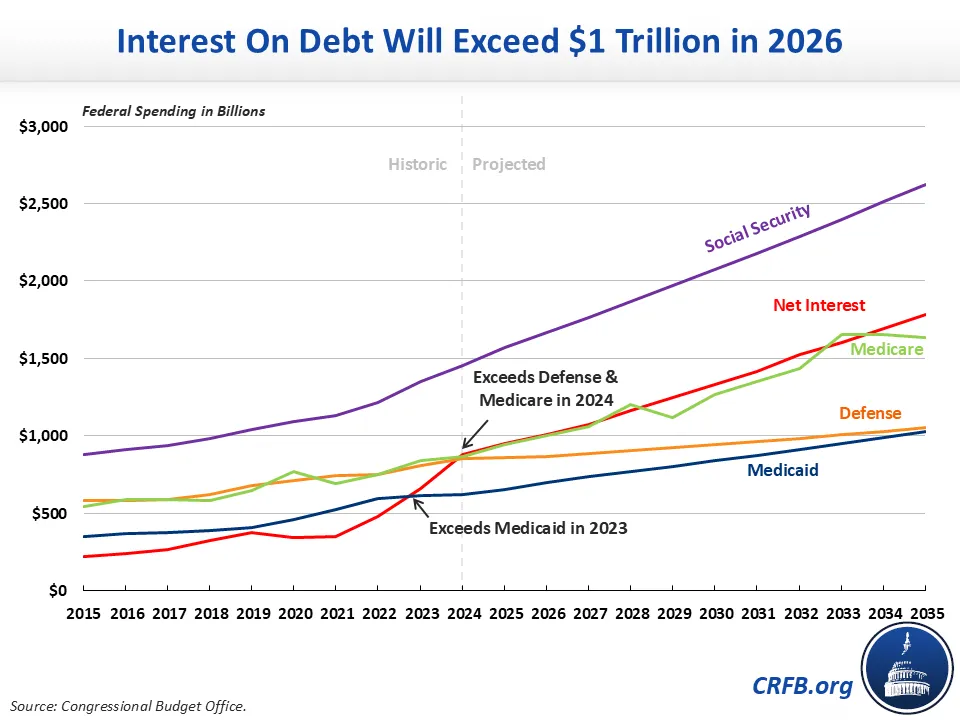
While chapter 13 filings continue to increase, chapter 7 filings, the most common kind of consumer bankruptcy, are expected to control court dockets. This trend is driven by customers' absence of disposable earnings and installing financial pressure. Other key drivers consist of: Consistent inflation and raised interest rates Record-high charge card debt and depleted cost savings Resumption of federal student loan payments Regardless of current rate cuts by the Federal Reserve, rate of interest remain high, and borrowing costs continue to climb.
Indicators such as customers using "buy now, pay later" for groceries and surrendering recently bought cars show monetary stress. As a financial institution, you might see more repossessions and car surrenders in the coming months and year. You should also prepare for increased delinquency rates on auto loans and mortgages. It's also crucial to carefully keep an eye on credit portfolios as financial obligation levels remain high.

We forecast that the real impact will hit in 2027, when these foreclosures transfer to completion and trigger personal bankruptcy filings. Rising residential or commercial property taxes and property owners' insurance coverage costs are currently pressing novice delinquents into financial distress. How can financial institutions stay one step ahead of mortgage-related insolvency filings? Your group ought to complete a thorough evaluation of foreclosure processes, procedures and timelines.
Professional Guidance for Overcoming Financial Insolvency
Lots of approaching defaults might occur from previously strong credit segments. In the last few years, credit reporting in bankruptcy cases has become one of the most contentious topics. This year will be no various. However it's essential that creditors stand firm. If a debtor does not reaffirm a loan, you need to not continue reporting the account as active.
Here are a few more best practices to follow: Stop reporting discharged debts as active accounts. Resume typical reporting just after a reaffirmation contract is signed and submitted. For Chapter 13 cases, follow the strategy terms thoroughly and speak with compliance teams on reporting obligations. As customers become more credit savvy, errors in reporting can result in disagreements and potential litigation.
Another pattern to view is the increase in pro se filingscases submitted without attorney representation. Regrettably, these cases typically produce procedural problems for financial institutions. Some debtors may fail to precisely divulge their properties, earnings and costs. They can even miss out on crucial court hearings. Again, these problems include complexity to personal bankruptcy cases.
Some recent college graduates may manage commitments and resort to insolvency to handle total debt. The takeaway: Creditors must prepare for more intricate case management and think about proactive outreach to customers dealing with substantial financial pressure. Lastly, lien excellence stays a major compliance threat. The failure to perfect a lien within thirty days of loan origination can result in a creditor being treated as unsecured in bankruptcy.
Our group's suggestions include: Audit lien excellence processes frequently. Keep documentation and evidence of prompt filing. Think about protective procedures such as UCC filings when hold-ups occur. The bankruptcy landscape in 2026 will continue to be formed by economic unpredictability, regulatory analysis and developing consumer habits. The more ready you are, the easier it is to browse these challenges.
Negotiating Your Unsecured Debt With Professional Services
By expecting the trends pointed out above, you can reduce direct exposure and preserve operational resilience in the year ahead. If you have any concerns or concerns about these forecasts or other bankruptcy topics, please link with our Bankruptcy Healing Group or contact Milos or Garry straight any time. This blog site is not a solicitation for organization, and it is not meant to make up legal suggestions on particular matters, develop an attorney-client relationship or be lawfully binding in any way.
With a quarter of this century behind us, we enter 2026 with hope and optimism for the new year. Nevertheless, there are a variety of problems numerous merchants are grappling with, consisting of a high financial obligation load, how to utilize AI, shrink, inflationary pressures, tariffs and waning demand as cost continues.
A Guide to Debt Recovery for 2026Reuters reports that luxury merchant Saks Global is preparing to declare an impending Chapter 11 personal bankruptcy. According to Bloomberg, the business is talking about a $1.25 billion debtor-in-possession funding bundle with lenders. The company regrettably is burdened considerable debt from its merger with Neiman Marcus in 2024. Included to this is the basic international slowdown in high-end sales, which might be crucial factors for a prospective Chapter 11 filing.
A Guide to Debt Recovery for 2026The company's $821 million in net profits was down 4.5% year-over-year, driven by a 12% decline in hardware and a 27% decline in software application sales. It is unclear whether these efforts by management and a better weather environment for 2026 will assist prevent a restructuring.
According to a current posting by Macroaxis, the odds of distress is over 50%. These problems paired with substantial debt on the balance sheet and more individuals avoiding theatrical experiences to view films in the convenience of their homes makes the theatre icon poised for bankruptcy proceedings. Newsweek reports that America's most significant baby clothing seller is preparing to close 150 shops nationwide and layoff hundreds.

Latest Posts

Professional Debt Settlement Strategies for 2026

Combining Unsecured Debt Into a Single Payment in 2026
Steps to Prevent Illegal Calls From Debt Collectors